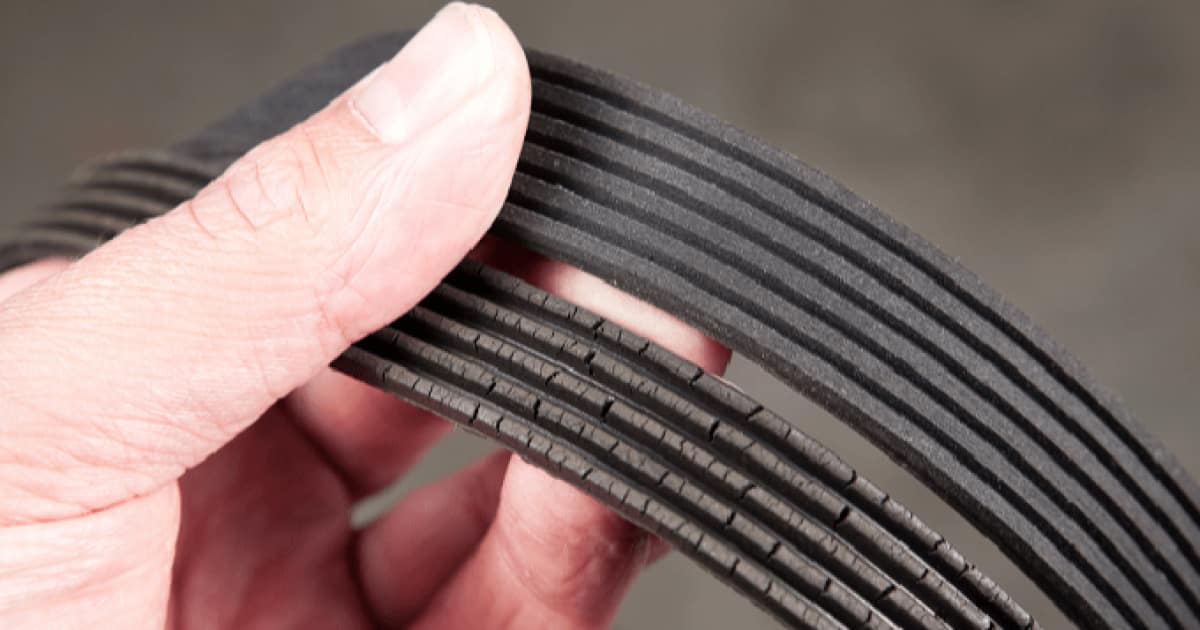
Accessory belts, also known as serpentine belts or drive belts, play a crucial role in the operation of a vehicle’s engine and various auxiliary systems.
Accessory belts transmit power from the engine’s crankshaft to components such as the alternator, water pump, power steering pump, and air conditioning compressor.
The alternator relies on the accessory belt to generate electricity to charge the battery and power electrical components when the engine is running.
Some vehicles use the accessory belt to drive the water pump, which circulates coolant through the engine to maintain optimal operating temperatures. Many vehicles utilize the accessory belt to power the hydraulic pump in the power steering system.
The accessory belt drives the compressor in the air conditioning system, allowing it to circulate refrigerant and cool the air inside the vehicle’s cabin. In some vehicles, additional components such as superchargers, turbochargers, or hydraulic systems may also be powered by the accessory belt.
Regular inspection and maintenance of these belts are important to ensure they remain in good condition and continue to operate efficiently. If an accessory belt fails or becomes damaged, it can lead to loss of power to critical systems, engine overheating, or other problems that may result in vehicle breakdown or damage. We highly recommend replacing the accessory belt system every 5 years, or 100,000 kilometers